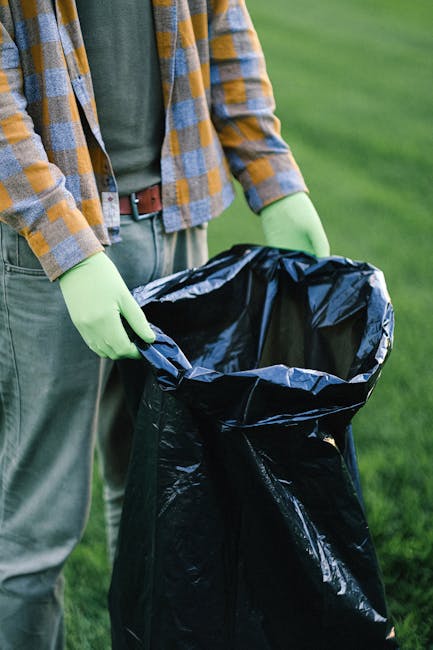
Wimbledon Park garden clearance and green waste removal: a practical guide for tidy, stress-free outdoor spaces
If your garden in Wimbledon Park has started to feel more like a storage area than a place to relax, you are not alone. Overgrown hedges, broken pots, rotting timber, old soil bags, and a heap of prunings can build up surprisingly fast. Wimbledon Park garden clearance and green waste removal is the straightforward way to reset the space without spending your whole weekend wrestling with bags, branches, and the dust and smell that comes with it. Done properly, it saves time, keeps the garden healthier, and helps make sure the waste is handled responsibly.
This guide breaks down what garden clearance actually involves, how green waste removal works, what to expect on the day, and how to avoid common mistakes. Whether you are clearing after a big seasonal tidy-up, preparing a property for sale, or just trying to get the patio back from the weeds, you will find a clear, practical route here.
Why Wimbledon Park garden clearance and green waste removal matters
Garden waste looks harmless at first. Then a pile of cuttings sits for a week, gets damp, and suddenly it is heavier, smellier, and a bit awkward to deal with. In a place like Wimbledon Park, where gardens can be compact, shared, or tucked behind narrow access paths, clearing waste efficiently matters even more. The quicker you remove organic debris, the easier it is to keep the garden usable and avoid turning a simple tidy-up into a much bigger job.
Green waste includes the biodegradable material left behind after pruning, mowing, digging, or clearing an overgrown space. That usually means grass cuttings, leaves, hedge trimmings, twigs, branches, weeds, soil in small quantities, plant remains, and sometimes untreated wood. It is not the same as general household rubbish, and mixing the two can make disposal messier and less efficient.
There is also the practical side. A cleared garden is easier to maintain, easier to mow, and easier to enjoy. You can see what needs fixing. You can spot drainage problems. You can reach the fence without climbing over an entire shrubbery. Little things, but they add up. To be fair, the peace of mind is often the biggest benefit.
For landlords, letting agents, homeowners, and anyone preparing a property for viewing, a clean outdoor space also creates a better first impression. A garden does not need to be perfect. It just needs to look looked after.
How Wimbledon Park garden clearance and green waste removal works
The process is usually simpler than people expect. A good clearance starts with identifying what needs to go, separating green waste from other materials, and planning the most efficient way to load and remove it. That might sound obvious, but the difference between a smooth job and a frustrating one is often in the prep.
Here is the basic flow. First, the garden is assessed so the team can understand the volume of waste, the access route, and any awkward items like soil, broken decking, old planters, or heavy branches. Then the waste is gathered, sorted, and loaded. Finally, it is taken away for responsible disposal, with recyclable or compostable material separated where possible.
For some households, the job is a simple cut-and-clear after a weekend of pruning. For others, it is a much bigger reset after months or even years of buildup. You might also need a broader service if the garden clearance is part of a larger property tidy-up, such as a home clearance or a more specific garage clearance where outdoor storage has crept into every corner.
Some common items that are often handled during garden clearance include:
- hedge trimmings and branches
- grass cuttings and weeds
- old compost, plant pots, and broken planters
- leaf litter and seasonal debris
- untreated timber and garden furniture that has reached the end of its life
- small amounts of soil and turf
- general outdoor clutter from sheds, patios, and borders
If the job includes mixed waste rather than pure green waste, it is worth checking whether a broader waste removal service is a better fit. That is often the cleaner option when the garden has become a catch-all for old, heavy, or awkward items.
Key benefits and practical advantages
The obvious benefit is a tidier garden. But there is more to it than a neat finish. Proper garden clearance helps you regain control of the space, and that usually changes how you use it. The patio becomes usable again. The lawn is easier to cut. The borders stop swallowing the edges of the path.
There is also a maintenance benefit. Once the waste is gone, you can see the real condition of the garden. You notice dead plants that need replacing, ivy creeping where it should not, or a fence panel that was hidden behind a tangle of branches. That kind of visibility saves hassle later. Truth be told, a lot of garden problems stay hidden until the waste is gone.
Other practical advantages include:
- Less physical strain: heavy sacks of damp cuttings and awkward branches are not much fun to haul through a house or down narrow steps.
- Better safety: clearing trip hazards, broken pots, and sharp offcuts reduces the chance of a slip or cut.
- Cleaner presentation: handy if you are selling, letting, or simply trying to make the outdoor area feel calm again.
- More efficient disposal: waste is sorted and removed in one organised visit instead of sitting around in piles.
- More sustainable handling: green waste can often be diverted away from landfill where it is separated properly.
If you are comparing services, sustainability should matter. A responsible provider will aim to recycle or recover as much as possible, which is why pages like recycling and sustainability are worth reading if you want to understand how waste is handled beyond the front gate.
Who this is for and when it makes sense
Wimbledon Park garden clearance and green waste removal is useful for a wide range of people, not just those with huge gardens. In fact, smaller urban gardens can benefit the most because the waste has nowhere convenient to go. You may need it if:
- your garden has become overgrown after a busy few months
- you have just finished pruning trees, hedges, or shrubs
- you are preparing a property for sale or new tenants
- you have inherited a garden that needs a full reset
- you are dealing with windblown branches, leaf fall, or storm debris
- you have cleared out a shed or outdoor storage area at the same time
- you simply do not want bags of damp waste sitting around for days
It also makes sense when access is awkward. That is a big one in London. Not every property has a side gate, a generous driveway, or easy vehicle access. If you are facing stairs, narrow side passages, shared entrances, or a cramped rear garden, a planned clearance is usually far easier than trying to do everything yourself.
And if the job is not just green waste but a mix of items from inside and outside the property, it may be worth looking at a broader house clearance or even a flat clearance if the outdoor clutter is tied to a larger home reset. Not every job fits neatly into one box. That is normal.
Step-by-step guidance
Here is a practical way to think about the process so it feels less daunting.
- Walk the garden first. Identify what is green waste, what is general rubbish, and what may need special handling. A quick walk-through saves time later.
- Separate the obvious materials. Keep branches, cuttings, soil, pots, timber, and mixed rubbish in different piles if you can.
- Check access routes. Look at gates, side paths, steps, and any tight corners. If a wheelbarrow or sack has to pass through the house, think that through early.
- Remove loose hazards. Rake up sharp sticks, broken glass, old wire, or rusty fixings before the main load is handled.
- Load efficiently. Heavier material goes low and stable. Lighter cuttings can sit on top. No magic here, just less back strain and fewer crushed bags.
- Finish with a final sweep. A last check for screws, thorns, fragments of pot, and hidden debris makes the whole area feel properly finished.
If you are doing some of the sorting yourself, the practical question is simple: can it be lifted safely and moved without damage? If not, it may be better to leave it to a proper clearance team. That is especially true for wet soil or tangled branches. Wet waste can be deceptively heavy. Annoyingly so.
For bigger jobs, a visit may also include advice on whether a skip, a man-and-van style clearance, or a more tailored collection is the cleanest option. If you are weighing up containers, the page on what can go in a skip can help you compare what belongs in a mixed load and what does not.
Expert tips for better results
In our experience, the best garden clearances are the ones that start with a bit of honesty. Not glamorous, maybe, but true. If a job looks like two loads rather than one, say so early. If the rear gate is awkward, mention it. If there is a patch of wet soil that has turned into a mini mud bath, point it out before anybody starts lifting.
Here are a few tips that make a real difference:
- Sort as you go: green waste, hard waste, and reusable items should not all end up in one heap.
- Keep compostable waste clean: avoid mixing in food waste, plastics, or packaging if you want the material handled properly.
- Cut long branches down first: shorter lengths are easier to stack and safer to carry.
- Watch for hidden debris: old nails in timber, broken terracotta, and bits of wire often hide in overgrown beds.
- Do not overload bags: a bag that looks neat can still be far too heavy to move safely.
- Plan the path out: the shortest route is not always the safest route.
A small but useful habit is to clear from the top down. Start with branches and overgrowth, then deal with the smaller material, then finish with a rake and sweep. This keeps the space workable as you go. You will notice the garden feels calmer almost immediately, which is oddly satisfying on a grey London afternoon.
If the job is part of a larger clean-up, it can also be sensible to tackle other bulky items at the same time. For example, if a shed has old chairs, a tired sofa, or random storage from indoors, a related service such as furniture disposal may save you from arranging multiple collections. One visit is often simpler than three. Much simpler.
Common mistakes to avoid
Most problems with garden clearance are avoidable. The catch is that they usually seem small right up until they are not. A few of the most common mistakes are worth calling out plainly.
- Mixing waste types: garden waste mixed with household rubbish can make disposal slower and less efficient.
- Underestimating volume: a few hedge cuts can fill more space than expected once they are bagged or bundled.
- Leaving waste too long: damp cuttings, especially in warm weather, can smell and attract pests.
- Forgetting about access: a narrow side passage or stepped route changes the whole logistics of the job.
- Ignoring heavy items: soil, turf, and wet wood are much heavier than they look.
- Skipping the final tidy: small fragments left behind can quickly spoil the finish.
There is one more mistake that people do not always think about: assuming all green waste can be treated exactly the same. It cannot. Some materials are fine for composting or recycling routes, while contaminated, mixed, or awkwardly combined waste may need different handling. If you are unsure, ask before loading. Saves grief later.
If a clearance uncovers damaged items, broken appliances, or old stored materials that do not belong in the garden load, it may be worth separating them into specialist streams such as fridge and appliance removal or hazardous waste disposal where needed. Better to separate once than mess up the whole collection.
Tools, resources and recommendations
You do not need a shed full of pro kit to prepare a garden for clearance, but a few basic tools help. The right tools make the work safer, cleaner, and a bit less frustrating.
- Rake: ideal for leaves, cuttings, and smaller debris.
- Secateurs and loppers: useful for reducing branch size before loading.
- Tarpaulin: helps keep waste together and reduces mess on patios or paths.
- Heavy-duty bags: useful for smaller green waste, though do not overfill them.
- Gloves: basic, but absolutely worth it. Thorny hedges do not care about your plans.
- Wheelbarrow: helpful if waste needs moving from the rear of the garden to the front.
If you are dealing with a wider property clean-up, services like garage clearance and loft clearance can be relevant when outdoor waste is only one part of the picture. That is common after renovations, spring cleans, or pre-move decluttering.
For practical planning, it also helps to think about service information, price transparency, and how payment is handled. Pages such as pricing and quotes and payment and security are useful for setting expectations before the work begins.
Law, compliance, standards, or best practice
Waste should be handled responsibly, and that includes garden waste. In the UK, the basic expectation is that waste is transferred, carried, and processed by someone who deals with it lawfully and safely. You do not need to be an expert in waste law to make a sensible choice, but you should expect clear process, proper sorting, and careful handling of anything that is contaminated, sharp, or potentially hazardous.
Best practice usually means:
- keeping green waste separate where possible
- avoiding contamination with plastics, food waste, or general household rubbish
- not leaving loose waste where it can blow, rot, or become a nuisance
- using a service that can explain how the waste is taken away and managed
- taking extra care with sharp tools, broken materials, and heavy loads
If you are a business or managing shared premises, the expectations are a little stricter in practice because you need tidy records, controlled access, and fewer disruptions. In those situations, a broader business waste removal solution may make more sense than a one-off domestic style collection.
A sensible provider will also carry itself professionally around access, safety, and scheduling. If that matters to you, it should. A lot. The pages on health and safety policy and insurance and safety can help you understand the sort of standards a careful operator should have in mind, even before you book.
Options, methods, or comparison table
There is no single right way to remove green waste. The best option depends on volume, access, time, and whether the waste is truly just garden material or a mixed load. Here is a simple comparison to help you decide.
| Method | Best for | Pros | Possible drawbacks |
|---|---|---|---|
| DIY bagging and trips to the tip | Very small amounts of tidy green waste | Low direct cost, flexible timing | Time-consuming, physically demanding, awkward for bulky branches or wet waste |
| Skip hire | Medium to large volumes with space for a skip | Good for mixed clear-outs, convenient for ongoing work | Needs space and planning; not always ideal for pure green waste |
| Professional clearance collection | Busy households, awkward access, or fast turnaround | Quicker, less lifting, waste taken in one visit | Can be less useful if you only have a tiny amount |
If you are unsure whether a container is the right fit, reading about what can go in a skip is a sensible starting point. It helps you think about the difference between pure green waste, mixed garden debris, and anything that belongs elsewhere.
For many Wimbledon Park homes, professional collection is the most convenient choice because the access is not always simple and the waste often includes more than just leafy material. A mixed job can become a lot less stressful with one clean handover.
Case study or real-world example
Imagine a Wimbledon Park terraced house with a rear garden that has not had a proper clear-out since early spring. The lawn is cut back, but the hedge trimmings are still stacked beside the fence. There are two cracked planters, an old sack of compost gone damp, some ivy pulled from the wall, and a few broken slats from a tired bench. Nothing dramatic. Just enough to make the garden feel smaller every time you step outside.
In a case like that, the first win is sorting the piles before they spread. The hedge cuttings go together, the broken planters are separated, and the bench slats are checked to see whether they are untreated timber or mixed material. Then the waste is carried out in a planned sequence rather than in random bursts. Small job, but it still benefits from structure.
What usually surprises people is how much better the garden looks once the clutter is gone. The light changes. The edges of the path come back into view. You can smell the soil again instead of stale, wet cuttings. It sounds dramatic maybe, but anyone who has cleared a packed little garden knows the feeling.
That is the real point of Wimbledon Park garden clearance and green waste removal: not just taking things away, but restoring the space so it works again.
Practical checklist
Use this checklist before any garden clearance job. It keeps the process tidy and reduces last-minute surprises.
- Walk the garden and identify all waste piles
- Separate green waste from general rubbish
- Check for sharp objects, wire, nails, or broken glass
- Measure access through gates, side passages, or internal routes
- Decide whether soil, turf, or heavy timber needs special attention
- Bundle long branches into manageable lengths
- Keep a clear path for loading and removal
- Decide whether any furniture or stored items should be cleared too
- Confirm whether you need a broader clearance or just green waste removal
- Do a final sweep for small debris once the main waste is gone
Quick expert summary: the easiest way to make garden clearance go smoothly is to sort the waste early, think about access honestly, and avoid mixing materials that should be handled separately. Simple advice, yes. Still the advice that saves most people the most hassle.
Get a free quote today and see how much you can save.
Conclusion
Wimbledon Park garden clearance and green waste removal is one of those jobs that looks minor until you live with the mess for a bit. Then it becomes obvious how much calmer the whole property feels once the waste is gone. The garden is easier to use, easier to maintain, and much nicer to look at. And honestly, that matters more than people admit.
Whether you are dealing with hedge cuttings after a weekend of pruning, a neglected back garden that needs a full reset, or a mixed outdoor clear-out with a few awkward extras, the best results come from good sorting, safe handling, and responsible disposal. Keep it simple. Keep it safe. And do not leave damp piles lingering any longer than necessary.
If the job feels bigger than expected, that is normal. Gardens have a funny way of hiding the scale of the work until you start pulling things apart. Still, once it is done, the relief is real. You get your space back. And that is a good feeling, simple as that.
Frequently Asked Questions
What counts as green waste in a garden clearance?
Green waste usually includes biodegradable garden material such as grass cuttings, leaves, weeds, hedge trimmings, branches, small roots, plant offcuts, and similar organic debris. Mixed rubbish should be separated where possible.
Can you remove soil and turf as part of Wimbledon Park garden clearance?
Yes, in many cases soil and turf can be removed, but they are heavier than people expect and may need separate handling depending on quantity and condition. Wet soil can change the job quite a bit.
Do I need to bag the garden waste before collection?
Not always. Bagging can help for smaller loads, but branches, cuttings, and loose material can often be loaded more efficiently when grouped sensibly. If you do bag it, avoid overfilling because heavy wet bags are awkward and unsafe.
What if my garden waste is mixed with old furniture or rubbish?
Then it is usually better to treat it as a mixed clearance rather than pure green waste removal. Separating items helps avoid contamination and makes the collection more efficient. Mixed jobs are very common, so there is no need to panic.
How fast can a garden clearance be done?
That depends on the volume of waste, the access, and whether there are awkward items to remove. Small tidy-ups may be handled quickly, while bigger overgrown gardens naturally take longer. The best approach is to describe the job clearly at the start.
Is green waste always recycled or composted?
Not always in every situation, but responsible handling aims to divert green waste away from landfill wherever possible. Clean, separated garden waste is generally easier to process in more sustainable ways than mixed or contaminated waste.
Do I need a skip for garden waste?
Not necessarily. A skip can work well for larger or ongoing jobs, but it is not always the easiest answer for pure garden waste, especially where access is tight or the volume is smaller. A collection service may be more practical.
What should I do before the clearance team arrives?
Separate obvious waste types, clear access routes, and remove any personal items or valuables from the garden. It also helps to flag any hazards such as broken glass, hidden wire, or heavy items buried in overgrowth.
Can I include old plant pots and broken garden ornaments?
Yes, often you can, but it depends on the material and whether they are being treated as recyclable, general waste, or mixed garden debris. Terracotta, plastic, and damaged ornaments may each need different handling.
What is the main benefit of using a professional garden clearance service?
The biggest benefit is convenience, followed closely by proper handling and less physical strain. You save time, reduce the risk of injury, and get the garden back into shape without trying to manage every bag and branch yourself.
When is the best time to book garden clearance?
Whenever the waste starts affecting how you use the garden. Seasonal pruning, pre-sale tidying, post-storm clean-ups, and spring resets are all good times. If you are already thinking about it, that is usually a sign it should not wait too long.
What if I am not sure what can be taken away?
If you are unsure, it is best to describe the waste honestly and ask for guidance before collection. A good provider can usually help you separate garden waste from items that belong in a different disposal route, which keeps everything simpler and safer.
For more information about the company behind these services, you can also review the about us page or use the book online option when you are ready to move forward.