SW18 Shop Rubbish Removal for Small Businesses: A Practical, Local Guide
If you run a small shop in SW18, you already know how quickly waste piles up. Cardboard boxes from deliveries, damaged stock, old fittings, packaging film, broken display units, end-of-line items, and the odd awkward appliance can turn a tidy premises into a cramped one in no time. SW18 shop rubbish removal for small businesses is really about keeping your space safe, presentable, and workable without wasting half a day on bins, bags, and back-room chaos.
That matters more than people think. A cluttered stockroom slows staff down, makes cleaning harder, and can quietly affect the way customers feel when they walk in. Nobody wants to see a leaning tower of flattened boxes beside the till. This guide breaks down how shop rubbish removal works, who it suits, what to watch out for, and how to make the whole thing far less stressful. A bit of planning goes a long way.
Why SW18 shop rubbish removal for small businesses Matters
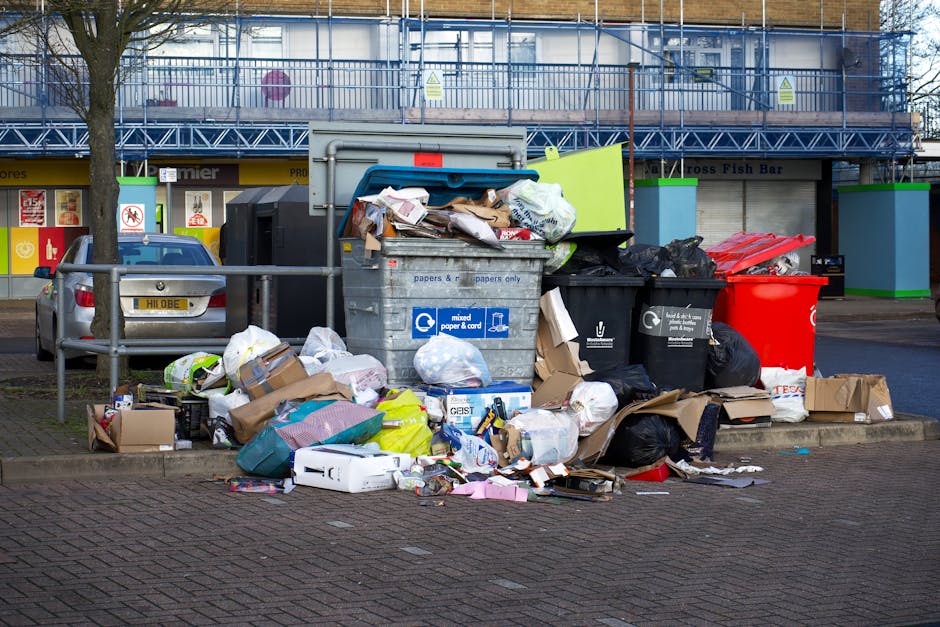
Small shops rarely have the luxury of large yards, loading bays, or extra storage rooms. In SW18, where many businesses operate from compact high street units, parades, or mixed-use premises, waste has a habit of becoming visible fast. One rainy delivery day and suddenly the back room smells faintly of wet cardboard and old packaging tape. Not ideal.
Good rubbish removal is not just about tidiness. It supports day-to-day trading in very practical ways:
- It keeps customer areas clear so staff can serve properly and shoppers do not have to dodge clutter.
- It reduces trip and fire risks by removing cardboard, broken shelving, and loose items that should never linger in walkways.
- It helps stockroom organisation because clean space is easier to use, measure, and restock.
- It supports professional standards if you want the shop to look cared for rather than patched together.
- It avoids waste build-up during busy periods, refurbishments, seasonal changes, or stock rotation.
There is also the reputational side. If customers see rubbish bags outside the door every morning, they notice. Maybe they do not say anything. But they notice. That is especially true for small businesses that rely on footfall and repeat custom.
For shops dealing with furniture, fixtures, or larger items, waste can overlap with services such as furniture disposal or broader waste removal. If the space is part retail and part storage, the right approach usually needs a mix of planning, safe lifting, and sensible scheduling.
How SW18 shop rubbish removal for small businesses Works
In simple terms, a shop rubbish removal service clears unwanted items from your premises, sorts what can be reused or recycled, and takes the rest away legally and efficiently. The best services are not just a van and a couple of hands. They should understand access, timing, handling, and the realities of small commercial spaces.
Here is the usual flow:
- Initial assessment - You explain what needs clearing: packaging waste, broken stock, old display units, obsolete equipment, or mixed commercial rubbish. A clear description helps avoid surprises.
- Access check - Shops on busy streets, upstairs units, or narrow access routes need a bit of thought. Where will the load come out? Is there parking nearby? Can the team work before opening hours?
- Removal and sorting - Items are collected, separated where practical, and loaded safely. Reusable or recyclable materials may be handled differently from general waste.
- Responsible disposal - Waste is taken to the right facility or transfer point. For businesses, that means more than simply "taking it away"; it should be handled in a way that matches normal UK waste expectations.
- Clear finish - The space should be left usable. That matters, because a shop clearing is rarely just about disposal. It is about getting the room back to work.
Sometimes a shop clearance overlaps with office or storage areas. In that case, services like office clearance or business waste removal may be the closer fit. If you have a mix of old stock, packaging, back-office clutter, and tired furniture, a combined approach is often more efficient than booking several separate jobs.
Timing matters too. Many small businesses prefer early morning, late evening, or quieter trading hours so staff are not trying to serve customers while moving rubbish around. To be fair, that alone can save a lot of headaches.
Key Benefits and Practical Advantages
The most obvious benefit is space. But the best rubbish removal for small shops does more than create room. It helps a business operate with a bit more ease and less friction.
- Faster daily operations - Staff spend less time stepping around waste and more time serving customers or restocking.
- Cleaner first impressions - A tidy entrance and back-of-house area reflect well on the whole business.
- Reduced stress during peaks - Seasonal stock changes, promotions, and refurbishments are easier when waste is already under control.
- Better safety - Less clutter means fewer slips, trips, and awkward lifting situations.
- More flexible use of space - A cleared stockroom can become a prep area, overflow display zone, or simply somewhere staff can move without muttering under their breath.
There is also a useful commercial advantage: once rubbish is removed properly, it becomes easier to plan the next step. You can measure the area, see what needs repairing, and decide what to keep. That sounds basic, but in a busy shop it is often the difference between a quick tidy-up and a proper reset.
If your rubbish includes damaged seating, broken display furniture, or worn counters, you may also find related services such as furniture clearance useful. If you are dealing with old appliances from a cafe-style retail space, the relevant route may involve fridge and appliance removal.
Expert summary: For most small shops, the best rubbish removal solution is the one that matches trading hours, access constraints, and the exact mix of waste. Convenience matters, but so does legal and practical handling.
Who This Is For and When It Makes Sense
Not every shop needs the same level of support. Some businesses only need occasional clearances after a stock refresh. Others need recurring removals because the back room fills up faster than anyone would like to admit.
This kind of service is especially useful for:
- independent retailers with limited storage
- convenience stores and off-licences
- boutiques and gift shops
- newsagents and small mixed-use retail units
- charity shops and resale premises
- salons with product packaging, furniture, and old fittings
- small food shops with mixed general waste and appliance disposal needs
- popup retail units after events or short-term trading periods
It also makes sense when you are:
- refitting the shop
- changing product lines
- clearing after a delivery backlog
- closing or downsizing
- moving premises
- emptying a stockroom that has become, frankly, a bit of a mystery zone
If the job is mainly empty cardboard and packaging, a shop may manage with a good internal waste routine and scheduled collections. If the waste is heavier, mixed, or bulky, outside help becomes much more worthwhile. And if you need to clear a whole premises, a broader service like flat clearance or home clearance may be relevant where the property includes residential or mixed-use areas.
Step-by-Step Guidance
If you want a smooth clearance, it helps to treat the job like a mini project. Nothing dramatic. Just a bit of structure.
1. Separate what stays and what goes
Before anything is moved, walk through the shop and mark items clearly. Keep, recycle, donate, remove. That one step saves a surprising amount of confusion later. Use tape, stickers, or even a quick handwritten note if that is what you have to hand.
2. Identify bulky or awkward waste
Look out for items that need more than standard bagging: broken shelving, old mannequins, display plinths, non-working appliances, mirrors, or damaged furniture. Some of these may need specialist handling. A shop that sells food or drinks may also need appliance-related removal, which is why services such as fridge and appliance removal can be relevant.
3. Check access and timing
Measure doorways if the items are awkward. Note stairs, tight corners, parking restrictions, or loading limits. If you are trading during the day, arrange the clearance when footfall is lower. A Tuesday morning may be simpler than Saturday at lunch. Usually is.
4. Group materials by type
Cardboard, metal, wood, plastics, textiles, and electrical items should not all be treated the same way. Even if you are not sorting everything yourself, a basic grouping helps the clearance crew work more efficiently and supports better recycling outcomes.
5. Get the shop ready before collection
Move small items away from the route, unplug equipment, and make sure staff know what is being taken. The cleaner the access route, the quicker and safer the job tends to be.
6. Ask about disposal approach
Do not be shy here. Ask how mixed waste is handled, whether recycling is prioritised, and how special items are dealt with. A good provider should be able to explain this in plain English. If the answer sounds vague, that is a useful signal.
7. Confirm the finish you expect
For a small shop, the end point matters. You usually want the area swept, the rubbish gone, and the space left ready for use. Not glossy, not showroom-perfect. Just properly cleared and workable.
Expert Tips for Better Results
A few practical habits can make shop rubbish removal much smoother. Nothing fancy. Just the kind of things experienced operators tend to notice quickly.
- Keep a standing waste review - A ten-minute weekly stockroom check is often enough to stop clutter snowballing.
- Use clear labels on storage zones - If staff know where to leave packaging, damaged stock, and reusable items, less rubbish gets mixed together.
- Schedule removals around deliveries - It sounds obvious, but many jobs become awkward because a fresh delivery arrives just as the clearance begins.
- Plan for seasonal peaks - Christmas stock, sale changes, spring resets, and refurbishments all generate extra waste. Budget and plan early.
- Keep hazardous or specialist waste separate - Do not let batteries, chemicals, sharps, or questionable liquid containers get mixed into general rubbish. If in doubt, pause and check.
- Think about the customer path - Even a temporary pile near the entrance can change how the shop feels. Keep public-facing areas clean first.
One thing people often forget: rubbish removal is easier when the shop already has a simple internal waste rhythm. A bin station, a weekly sweep, and a "clear by closing" habit can prevent the back room turning into a storage cave. Tiny habits. Big difference.
If recycling is a priority for your business, it may help to review the site's recycling and sustainability guidance alongside your own routine. You might also want to understand what can be handled in larger mixed-load jobs by reading what can go in a skip, especially if you are comparing disposal methods.
Common Mistakes to Avoid
Most problems with shop rubbish removal are avoidable. The issue is usually not the waste itself. It is the planning around it, or the lack of planning. Happens all the time.
- Waiting too long to book - When waste has already stacked up, access gets worse and the job becomes slower.
- Mixing everything together - It is tempting to throw all waste into one pile. But mixed loads often create sorting issues and can make disposal less efficient.
- Forgetting about access - A van can only do so much if there is nowhere to stop or no clear route from the premises.
- Ignoring special items - Appliances, confidential papers, and anything potentially hazardous need separate thought.
- Leaving staff to improvise - If people are not told what stays and what goes, things get moved twice. Or worse, thrown away by mistake.
- Choosing purely on speed - Fast is good. Safe, compliant, and tidy is better.
Another common mistake is treating rubbish removal as a one-off emergency rather than part of routine operations. If your shop generates steady waste, a regular rhythm is usually more cost-effective and far less disruptive than repeated panic clearances.
Tools, Resources and Recommendations
You do not need a complicated setup to manage shop waste well. A few basic tools and internal systems usually do most of the heavy lifting.
- Heavy-duty sacks for general waste and small broken items
- Cardboard flatteners or cutters to reduce volume quickly
- Label tape or markers for keep/remove/recycle areas
- Reusable crates for stock moving and back-room organisation
- Trolleys or sack trucks where heavier items are common
- A simple waste log for recurring clearances and unusual items
For businesses that handle paperwork, receipts, or customer information, a service like confidential shredding can be a sensible add-on. It keeps sensitive material out of general waste and gives you one less thing to worry about.
If your shop has a lot of worn seating or display furniture, you may also need mattress and sofa disposal for hospitality-adjacent or mixed-use premises, or broader furniture clearance if the space is being reworked.
Law, Compliance, Standards, or Best Practice
Waste from a business is not the same as household rubbish, so it is worth taking compliance seriously. You do not need to become a legal expert overnight, but you do need to make sensible choices and keep decent records where appropriate.
In UK practice, small businesses are expected to manage commercial waste responsibly, use authorised carriers, and avoid fly-tipping or improper disposal. If you arrange a clearance, make sure you understand what will happen to the waste and whether the provider follows standard duty-of-care expectations. That phrase, duty of care, simply means you should take reasonable steps to ensure waste is handled properly once it leaves your premises.
Some waste streams need extra caution:
- Electrical items should be handled carefully and not dumped with general rubbish.
- Refrigeration units and appliances may need specific removal arrangements.
- Potentially hazardous materials should be separated and assessed before collection.
- Confidential documents should not end up in open bins or mixed waste.
It is also wise to keep your own internal policies simple and clear. A short written process for waste segregation, collection times, and who signs off clearances can help staff avoid guesswork. If you need reassurance on business practices around safety and handling, it can be useful to review a provider's health and safety policy and insurance and safety information before booking.
For items that are clearly not standard rubbish, such as chemicals or mixed-risk contents, a specialist route like hazardous waste disposal may be the correct option. Better to stop and sort it properly than make a messy assumption. Nobody wins that game.
Options, Methods, or Comparison Table
Small businesses usually have three realistic options: manage waste in-house, use a skip, or book a rubbish removal service. The best fit depends on space, waste type, timing, and how much handling you can spare your staff.
| Option | Best for | Strengths | Limitations |
|---|---|---|---|
| In-house waste handling | Low volumes of lightweight waste | Simple, flexible, low disruption | Can become messy fast; staff time is used up |
| Skip hire | Longer projects or regular heavy waste | Useful for ongoing filling; can suit refurbishments | Needs space and access; waste must be loaded by your team |
| Professional rubbish removal | Mixed, bulky, or time-sensitive shop waste | Fast clearance, less manual work, ideal for tight spaces | May cost more than basic self-management for very small loads |
If your shop is being refurbished or stripped back, a clearance service that overlaps with builders waste clearance may make sense, especially where old fixtures, packaging, and light construction debris are all part of the same job. For bulky shop furniture, a specific furniture disposal route can be more efficient than treating everything as generic waste.
Truth be told, there is no perfect option for every shop. The right choice is the one that keeps trading smooth and does not leave your team wrestling with waste at 8:30 on a busy morning.
Case Study or Real-World Example
Here is a realistic example. A small independent gift shop in SW18 has been trading through a busy seasonal changeover. The owner has a back room full of flattened boxes, damaged display stands, broken shelving from a new layout, and a few old counter units that no longer fit the shop's style. Staff are spending too much time moving piles from one corner to another. The stock room looks tidy for an hour, then not tidy again.
Instead of trying to tackle it in fragments, the owner schedules one organised clearance outside opening hours. The waste is grouped before collection: cardboard in one area, wood and shelving in another, and damaged display furniture kept separate. The loading route is cleared the night before, and the team arrives early while the street is quiet. By late morning, the shop has proper space again. The owner can see the floor, the staff can move freely, and the next stock reset happens without the usual shuffle-and-sigh routine.
That is the real benefit. Not just "getting rid of stuff", but getting back control of the room. And honestly, control is what most small businesses are after even if they do not say it out loud.
In mixed-use premises, a shop clearance may also overlap with house clearance or home clearance where stock is being held in a residential or domestic-style space. The key is matching the method to the space, not forcing one solution onto everything.
Practical Checklist
Use this before booking or carrying out a shop rubbish removal job. It keeps the process calmer. Less guesswork, fewer surprises.
- List the exact items to be removed.
- Separate keep, recycle, and remove zones.
- Identify bulky, heavy, or awkward items early.
- Check access, parking, stairs, and loading restrictions.
- Choose a time that avoids peak trading if possible.
- Remove or secure valuables and sensitive paperwork.
- Keep any hazardous or electrical waste separate.
- Confirm whether the provider can handle mixed commercial waste.
- Ask how recyclable materials are treated.
- Make sure the shop is ready to use after collection.
Quick reality check: if the clearance is bigger than a couple of bins and one or two sacks, take a breath and plan it properly. That extra half-hour upfront usually saves hours later.
Get a free quote today and see how much you can save.
Conclusion
For small businesses in SW18, shop rubbish removal is not just a tidy-up job. It is part of keeping the business safe, presentable, and workable. The right approach helps you protect staff time, improve customer experience, and stop waste from quietly taking over the space.
Whether you need a one-off clearance after a refit or a more regular solution for packaging, stock rotation, and bulky items, the main thing is to stay organised and choose a method that suits your shop rather than disrupting it. That is the whole point, really. Less clutter, fewer headaches, better use of the space you already pay for.
And once the back room is clear and the floor is visible again, you can feel the difference straight away. It is a small thing, but it changes the day.
Frequently Asked Questions
What does SW18 shop rubbish removal for small businesses usually include?
It usually includes the collection and removal of mixed shop waste such as cardboard, packaging, broken displays, old shelving, unwanted furniture, and other non-hazardous commercial rubbish. Some providers can also handle appliances, confidential waste, or heavier bulky items where needed.
Is shop rubbish removal better than using a skip?
It depends on your space and the amount of waste. If your shop has tight access or you want the waste taken away quickly without staff loading a skip, rubbish removal is often easier. If you have a longer project and space for a skip, that can be useful too.
Can a small shop book a one-off clearance?
Yes. Many small businesses only need a one-off job after a refit, stock change, or relocation. That said, if waste builds up regularly, a repeat schedule is usually calmer and more efficient.
What should I do with old shop furniture?
Separate it from general waste and book a furniture clearance or furniture disposal service if the items are large or awkward. Broken counters, shelving, chairs, and display units are best handled as bulky items rather than pushed into sacks.
How do I prepare my shop before rubbish removal?
Clear the access route, group waste by type, remove valuables and sensitive paperwork, and make sure staff know what is being taken. A little prep makes the collection quicker and reduces the chance of mistakes.
Can shop waste include electrical items?
Sometimes, but electrical items should be separated and handled carefully. Fridges, freezers, and similar appliances may need specific removal arrangements, so do not mix them with general rubbish unless the provider has confirmed they can take them.
What happens to recyclable materials?
Good providers try to separate recyclable materials such as cardboard, metal, wood, and some plastics where practical. The exact process depends on the type of waste and the service used, so it is sensible to ask before booking.
Do I need to worry about compliance?
Yes, at least in a practical sense. Business waste should be handled responsibly and passed to a provider that can deal with it properly. Keep a basic record of what was removed, and make sure you are comfortable with how the waste will be managed.
Can rubbish removal work outside business hours?
Often, yes. Early morning, evening, or quieter periods are commonly used to reduce disruption. For small shops, that timing can make a big difference to customer flow and staff stress.
What if I have hazardous or unusual waste?
Do not mix it into general waste. Set it aside and ask for guidance. Hazardous waste needs a separate approach, and in some cases a specialist disposal route is the safest and most appropriate option.
How do I know which service is right for my shop?
Think about the type of waste, the volume, the access, and how fast you need the space cleared. If your job is mainly packaging, a simple removal may be enough. If it includes furniture, appliances, or mixed commercial waste, a more complete clearance service may be the better fit.
Where can I learn more about related services?
You can review nearby support pages such as business waste removal, recycling and sustainability, and pricing and quotes to understand the practical options before you book.